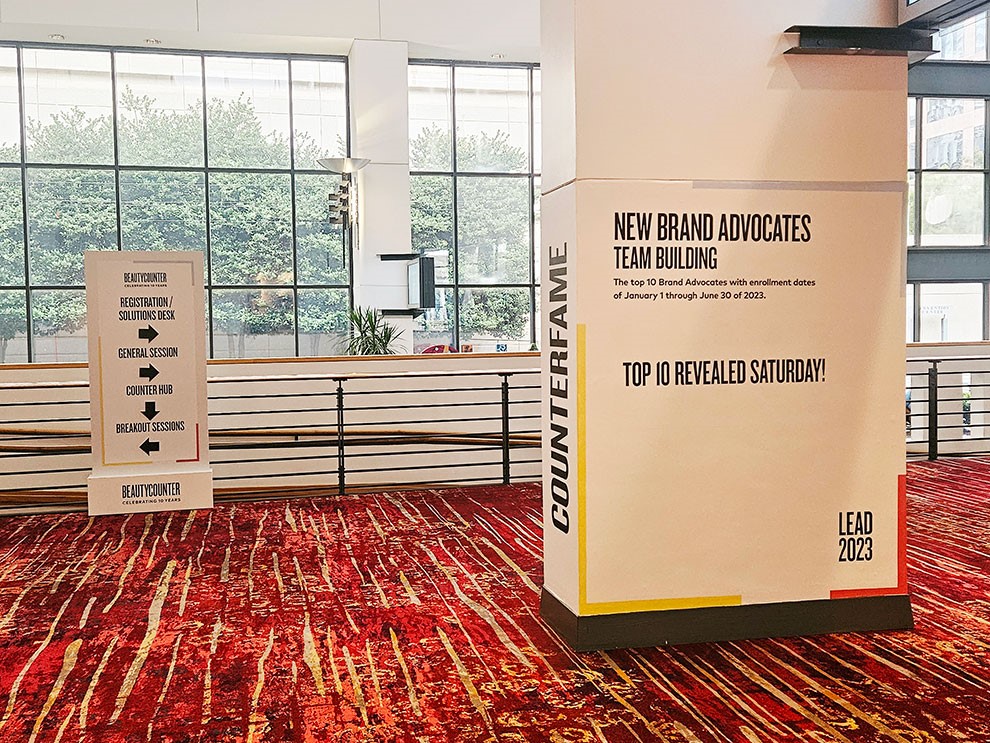
In the fast-paced world of modern offices, clarity and organization are crucial for both employees and visitors. Effective navigation within office spaces is more than just convenience—it reflects professionalism, strengthens brand identity, and enhances the overall experience of anyone entering the workplace. For businesses in Charlotte, investing in quality Wayfinding Signs Charlotte NC is a practical strategy that can transform the way people interact with office environments.
Understanding the Importance of Wayfinding Signs
Wayfinding signs are visual cues designed to guide individuals through a space efficiently. Unlike generic signage, these signs are strategically placed and thoughtfully designed to provide intuitive navigation. For Charlotte offices, where professional environments often accommodate multiple departments, conference areas, and client zones, the role of wayfinding signage becomes essential.
The benefits extend beyond navigation. Effective Wayfinding Signs Charlotte NC contribute to a positive first impression. They reduce confusion, save time, and support accessibility, ensuring that employees, clients, and partners can move through the space without frustration.
Key Features of Effective Office Wayfinding Signs
Not all signs deliver the same results. Certain features distinguish highly effective office wayfinding systems from basic directional markers:
Clear and Concise Messaging
Simplicity is key. The most effective wayfinding signs use clear, concise language that eliminates ambiguity. For instance, directional arrows paired with brief text like “Main Lobby” or “Conference Center” help visitors quickly identify their path. Avoid cluttering signs with excessive information, as this can create confusion rather than clarity.
Strategic Placement
Placement matters as much as design. Signs should be installed at critical decision points such as intersections, entrances, and areas where pathways diverge. Consistent placement across the office ensures that users do not have to backtrack or seek additional guidance.
Consistent Visual Identity
Wayfinding signs should align with the company’s branding and interior aesthetics. Consistent color schemes, fonts, and iconography create a cohesive look while reinforcing the brand. For Charlotte offices, this visual consistency elevates the workplace’s professional image and leaves a lasting impression on visitors.
Accessibility Considerations
Accessibility is a critical aspect of modern office design. Wayfinding signage should be readable for everyone, including individuals with visual or mobility challenges. High-contrast colors, legible fonts, and appropriate mounting heights contribute to inclusive navigation.
Durability and Quality Materials
Office environments experience heavy foot traffic, making durability an important factor. Signs crafted from high-quality materials maintain their appearance over time, avoiding frequent replacements and reinforcing the organization’s attention to detail.
Popular Types of Wayfinding Signs for Charlotte Offices
When selecting Wayfinding Signs Charlotte NC, several types stand out for their effectiveness and adaptability in office spaces:
Directional Signs
Directional signs guide visitors to key locations such as reception areas, meeting rooms, and exits. They are typically mounted on walls or hung from ceilings, providing clear visual cues that reduce the need for verbal instructions.
Informational Signs
Informational signs provide essential context about a space. These may include floor directories, office layouts, or guidelines for shared spaces. By offering clear instructions and details, these signs prevent confusion and improve overall workflow.
Combination Signage
Many offices benefit from combination signage that incorporates multiple elements, such as directional arrows paired with informational panels. This approach streamlines communication and reduces the number of separate signs needed, creating a more elegant and functional signage system.
Planning a Successful Wayfinding Strategy
Implementing effective wayfinding signage requires thoughtful planning:
Assess the Space – Conduct a thorough walkthrough to identify key navigation points, high-traffic areas, and potential confusion zones.
Determine Sign Types – Choose signs based on their purpose, such as directional, informational, or identification.
Design with Branding in Mind – Ensure that the design reflects the company’s professional image and interior aesthetics.
Test and Adjust – Before final installation, test signage with employees or visitors to ensure clarity and effectiveness.
For offices seeking tailored solutions, resources are available to provide comprehensive guidance. More information on selecting the ideal Wayfinding Signs Charlotte NC can be found here.
Benefits of Professional Wayfinding Signage
Investing in professionally designed wayfinding signage brings measurable advantages:
Improved Visitor Experience – Visitors can navigate independently, reducing stress and reliance on staff.
Enhanced Efficiency – Clear navigation helps employees move through the office efficiently, saving valuable time.
Brand Reinforcement – Well-designed signage communicates professionalism and attention to detail, strengthening the company’s brand identity.
Safety and Compliance – Wayfinding signage can also highlight emergency exits and critical areas, contributing to overall workplace safety.
For those interested in exploring office signage solutions in Charlotte, a trusted resource is available to get started.
FAQs About Office Wayfinding Signs
Q1: How many wayfinding signs does an office need?
The number of signs depends on the size and layout of the office. Conducting a space assessment ensures signs are placed strategically without overcrowding the environment.
Q2: Can wayfinding signs reflect company branding?
Yes. Effective signs can integrate color schemes, logos, and typography to reinforce branding while maintaining clear navigation.
Q3: Are wayfinding signs suitable for all office types?
Absolutely. From small startups to large corporate environments, wayfinding signage is adaptable to various office layouts and organizational needs.
Q4: What materials are best for long-lasting office signs?
Durable materials such as acrylic, metal, and high-quality laminates provide longevity while maintaining a professional appearance.
Q5: How can offices ensure their signage is accessible?
Designers should consider font size, contrast, and placement. Incorporating tactile or raised elements can further support accessibility standards.
Conclusion
For Charlotte offices, the right Wayfinding Signs Charlotte NC are more than navigational tools—they are an investment in professional branding, efficiency, and visitor satisfaction. By combining strategic placement, clear messaging, accessibility, and durable materials, offices can create a welcoming and functional environment that leaves a positive impression.
Whether upgrading an existing signage system or designing a new office layout, companies that prioritize effective wayfinding solutions enjoy tangible benefits, including enhanced workflow, improved visitor experience, and a stronger professional image. Offices ready to transform their workspace navigation can explore tailored signage options and expert guidance here.